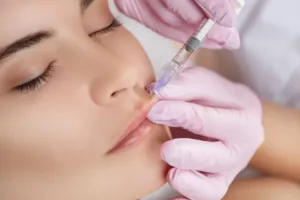

How Long Do Lip Fillers Last and What Can Affect Their Longevity?
Thinking about getting lip fillers to enhance your smile? You’re not alone! This popular cosmetic treatment focuses on adding volume and shape to your lips. One common question is: how long do these fillers actually last? In this article, we’ll explain what you need to know about lip enhancement, the factors that influence filler longevity, and tips to maintain your results for as long as possible.
Key Takeaways
- Lip fillers typically last between 6 to 12 months, depending on various factors.
- Your metabolism affects how quickly fillers break down; faster metabolisms usually mean shorter duration.
- – Lifestyle factors such as sun exposure, smoking, and diet significantly influence filler longevity.
- Following aftercare instructions is key to prolonging the effects of your lip enhancement.
- Regular check-ins with your injector can help you maintain your desired lip look and schedule timely touch-ups.
Understanding Lip Enhancement
What Are Lip Fillers?
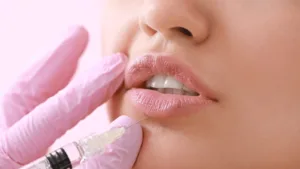
Lip fillers are injectable treatments designed to enhance the volume and shape of your lips. They’re a type of dermal filler offering a non-surgical method for achieving a fuller lip appearance. Over time, lips can lose their fullness, and fillers are a popular way to restore or add to what you’ve got. It’s a personal choice, and lots of people do it for different reasons.
Types of Lip Fillers
There are a few different kinds of lip fillers out there, but the most common ones are made with hyaluronic acid (HA). HA is a natural substance already in your body, so it’s generally safe.
Here’s a quick rundown:
- Hyaluronic Acid Fillers: These are widely preferred for their natural appearance and reversibility. Brands like Juvederm and Restylane are common.
- Collagen Fillers: These were used more in the past, but aren’t as common now. They don’t last as long as HA fillers.
- Other Options: There are other fillers, but they’re less common for lips. HA fillers are usually the go-to.
Benefits of Lip Enhancement
People get lip fillers for various reasons. Some want to restore lost volume caused by aging, as lips tend to thin over time. Others seek to correct asymmetry or smooth wrinkles around the mouth. Many also use fillers to boost confidence and enhance their appearance.
Here are some benefits::
- Restore lip size that has decreased with age.
- Correct uneven lip shape or asymmetry.
- Smooth out wrinkles near the mouth.
- Enhance self-confidence and improve body image.
Factors Influencing Lip Filler Longevity
Type of Filler
The typeof filler used makes a big difference. Hyaluronic acid fillers, like Juvederm and Restylane, are common because they look natural and can be dissolved if you don’t like them. They usually last around 6 to 12 months. Other fillers, such as calcium hydroxylapatite, might stick around a bit longer. Different brands have different formulas, which affects how long they last, too. It’s not a one-size-fits-all situation.
Metabolism and Its Impact
Your metabolism plays a huge role in how long your lip fillers last. If you have a faster metabolism, your body breaks down the filler quicker, meaning you’ll need touch-ups more often. It’s just how it is. Think of it like this: some people can eat whatever they want and not gain weight, while others have to be extra careful. The same goes for fillers. The area where you get the injection also matters. Lips move a lot when you talk and eat, so fillers there might break down faster than in other areas of your face.
Injection Technique
The skill of your injector plays a critical role in how long your fillers last. Experienced injectors place fillers strategically to maximise longevity and avoid issues like unevenness or migration. They may adjust techniques or filler types based on your unique needs. The goal is a natural look that endures.
A skilled injector will:
- Precisely place fillers.
- Optimise treatment effectiveness.
- Use tailored techniques for longer-lasting results.
Lifestyle Choices and Their Effects
Sun Exposure
If you’ve had lip fillers, excessive sun exposure can speed up their breakdown. UV rays degrade the filler material, causing your results to fade sooner.
To protect your lips:
- Wear a hat when you’re outside.
- Use lip balm with SPF regularly—make it part of your daily routine.
- Try to avoid being out in the sun during peak hours.
Smoking and Toxins
Smoking introduces toxins into your body, and these toxins can mess with the filler. Basically, they can speed up the breakdown process, meaning your plump pout won’t last as long. Plus, smoking isn’t great for your skin in general – it can cause premature aging and wrinkles. Quitting smoking benefits both your filler longevity and overall skin health.
Diet and Hydration
What you put into your body affects everything, including your lip fillers. Staying hydrated helps maintain the skin’s elasticity and can make your fillers last longer. On the other hand, a diet high in sugar and processed foods can cause inflammation, which might speed up the breakdown of the filler. Eating plenty of fruits, vegetables, and drinking lots of water is a simple way to help your fillers last as long as possible.
Post-Treatment Care for Lip Fillers
Following Aftercare Instructions
Okay, so you’ve just gotten lip fillers – exciting! But the work doesn’t stop there. Dr. Nawaz emphasises that it’s crucial to strictly follow your injector’s aftercare instructions. They’re not just being overly cautious—they’re helping you achieve the best results and avoid complications. Think of aftercare as an essential part of maintaining optimal lip results.
- Don’t touch or massage your lips excessively for the first few days, unless specifically instructed to do so.
- Apply ice packs gently to reduce swelling and bruising. Icing on and off for 10-15 minutes at a time can really help.
- Keep your head elevated, even while sleeping, to minimise swelling.
Avoiding Certain Activities
Right after getting fillers, there are some things you’ll want to avoid. It’s all about giving your lips a chance to settle and heal properly.
- Skip the gym for a day or two. Strenuous exercise can increase blood flow and potentially worsen swelling.
- Avoid saunas, steam rooms, and hot yoga. Heat can also increase swelling and potentially affect the filler.
- Try not to pucker your lips too much. That means avoiding the use of straws and temporarily refraining from certain activities. It’s best to wait a bit before resuming certain activities.
Maintaining Lip Health
Long-term lip health is key to keeping your fillers looking good for as long as possible. It’s not just about the immediate aftercare; it’s about making some lifestyle choices that support your investment.
- Stay hydrated! Drinking plenty of water helps keep your lips plump and moisturized.
- Use a good quality lip balm with SPF. Sun exposure can break down the filler faster, so protection is important.
- Consider gentle lip massages (after the initial healing period) to promote circulation and keep the area healthy. Just be sure to ask your injector about the right technique.
Signs That It’s Time for a Touch-Up
It’s easy to get used to your enhanced lips, so knowing when it’s time for a touch-up is key to maintaining the look you want. Don’t worry, it’s not about chasing perfection, but rather keeping up with the natural breakdown of the filler.
Monitoring Changes in Volume
Keep an eye on your lips. Are they starting to look like they did before you got fillers? This is a pretty clear sign that the filler is breaking down. It happens gradually, so you might not notice it day-to-day, but comparing photos can help. Also, pay attention to how your lips feel – are they losing that plumpness? If so, it might be time to consider a touch-up. Regular monitoring and professional consultations can help you decide the best times for these minor adjustments, ensuring your lips continue to look full and well-defined.
Understanding Filler Breakdown
All lip fillers eventually break down – it’s just a fact. Metabolismplays a big role; some people’s bodies break down fillers faster than others. Lifestyle factors, like sun exposure and smoking, can also speed up the process. It’s not an exact science, but generally, you can expect fillers to last somewhere between 6 to 12 months. Here are some things to keep in mind:
- Filler type: Different fillers have different lifespans.
- Injection location: Filler in areas with more movement may break down faster.
- Individual factors: Your metabolism and lifestyle play a big role.
Consulting Your Practitioner
Regular check-ins with your injector are helpful. They can assess your lips, tell you how the filler is holding up, and recommend when to schedule a touch-up. Plus, they can offer advice tailored to your face and goals. Think of it as preventative maintenance for your pout! If you are considering HSG procedure, it’s always best to consult with a qualified professional. Here’s why it’s a good idea to consult your practitioner:
- Personalised assessment: They know your history and goals.
- Professional advice: They can recommend the best course of action.
- Preventative care: They can catch issues early on.
Prolonging the Effects of Lip Fillers
Regular Maintenance Treatments
Think of lip fillers like getting your hair colored – you need to maintain them to keep them looking their best! Regular maintenance treatments, or touch-ups, can help prolong the overall effect and keep your lips looking fabulous. It’s all about staying ahead of the game and not waiting until your lips have completely lost their volume.
Some things to consider:
- Schedule regular check-ins with your injector to assess your filler levels.
- Don’t wait until your lips are completely deflated before getting a touch-up.
- Discuss a maintenance plan with your injector to determine the best schedule for you.
Consulting with a Qualified Injector
Importance of Experience
When it comes to lip fillers, you really want to make sure you’re going to someone who knows what they’re doing. Experience is important because injecting fillers is both an art and a science. It’s not just about plumping up your lips; it’s about understanding facial anatomy, knowing how different fillers behave, and being able to handle any complications that might pop up. A seasoned injector will have a portfolio of before-and-after photos, tons of positive reviews, and a solid understanding of the latest techniques. Don’t be afraid to ask about their training and how many procedures they’ve done. It’s your face, after all!
Choosing the Right Filler
There are so many different types of lip fillers out there, and it can be overwhelming trying to figure out which one is right for you. Hyaluronic acidfillers are the most common, but even within that category, there are variations in thickness and longevity. A good injector will take the time to assess your lips, discuss your goals, and recommend a filler that’s appropriate for your specific needs. They should explain the pros and cons of each option, including how long it’s likely to last and what kind of results you can expect. Don’t be afraid to ask why they’re recommending a particular filler and whether there are any alternatives you should consider.
Discussing Expectations
Before you even get near a needle, it’s very important to have a really open and honest conversation with your injector about what you’re hoping to achieve. Managing expectations is key to being happy with the final result. Here are some things to discuss:
- Realistic outcomes: What can lip fillers realistically do for your lips? A good injector will be honest about what’s achievable and what’s not.
- Desired look: Do you want a subtle enhancement or a more dramatic transformation? Bring photos to show your injector what you have in mind.
- Potential risks: Make sure you understand the potential risks and side effects of lip fillers, and what steps can be taken to minimise them.
- Maintenance: How often will you need to get touch-ups to maintain your results? What will the long-term costs be?
By having a thorough consultation and discussing your expectations upfront, you can help ensure that you’re both on the same page and that you’ll be thrilled with your new lips.
Wrapping It Up
In conclusion, lip fillers can give you that fuller pout you’re after, but they don’t last forever. Typically, you can expect them to stick around for about six months to a year, depending on a bunch of factors like the type of filler, your metabolism, and even your lifestyle choices. If you’re out in the sun a lot or smoke, those habits can speed up how quickly the fillers fade. So, if you want to keep your lips looking great, it’s a good idea to follow your injector’s aftercare tips and maybe even schedule some touch-ups when you notice the volume dropping. Keeping an eye on how your lips look will help you decide when it’s time for a refresh.
Frequently Asked Questions
What are lip fillers?
Lip fillers are injections that add volume and shape to your lips. They help make your lips look fuller and can also improve their definition.
How long do lip fillers typically last?
Most lip fillers last between 6 to 12 months. However, some may last longer depending on factors like the type of filler used and your metabolism.
What factors can affect how long lip fillers last?
Several things can affect how long your lip fillers last, including the type of filler, your body’s metabolism, and your lifestyle choices like sun exposure and smoking.
Can I do anything to make my lip fillers last longer?
Yes! Staying hydrated, using sunscreen on your lips, and avoiding smoking can help prolong the effects of your lip fillers.
What should I do if I notice my lip fillers starting to fade?
If you see that your fillers are fading, it might be time for a touch-up. You can consult your practitioner to discuss the best options for you.
Is it important to choose a skilled injector for lip fillers?
Absolutely. Dr. Nawaz emphasises the importance of choosing a skilled injector to ensure precise placement, natural results, and longer-lasting effects.